Vasant Panchami: Folklore, Festivities, and Farming Wisdom
Published on February 3, 2025 , farmntrade
Vasant Panchami, celebrated with great fervor across India, marks the onset of spring. While primarily known as a festival dedicated to Goddess Saraswati, the deity of knowledge and wisdom, Vasant Panchami holds deep-rooted significance in agriculture and farming traditions. In this blog, we delve into the rich tapestry of folklore, festivities, and farming wisdom associated with Vasant Panchami, shedding light on its cultural and agricultural dimensions.
Folklore and Festivities:
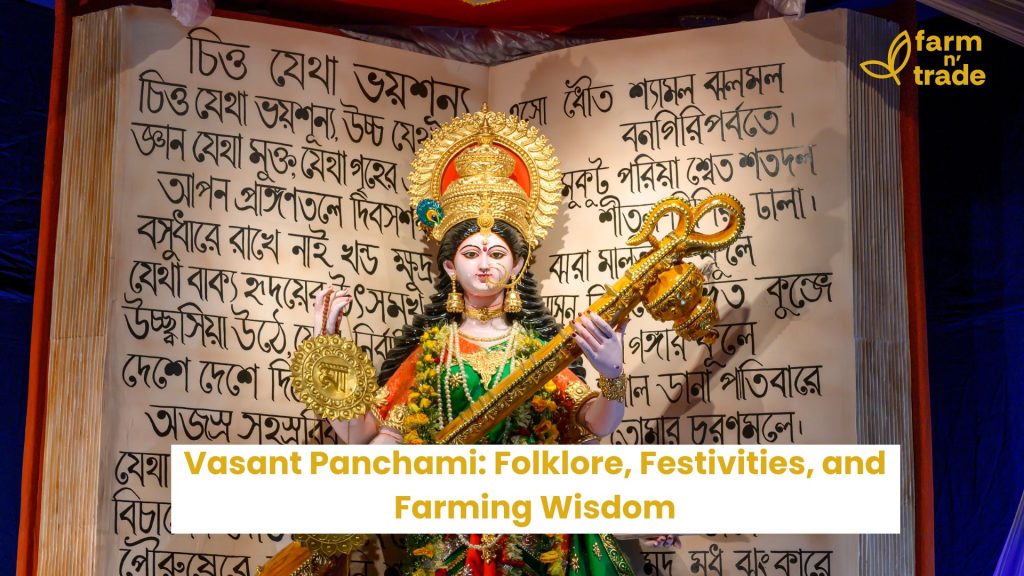
Vasant Panchami is steeped in folklore that celebrates the rejuvenation of nature and the victory of light over darkness. According to Hindu mythology, it is believed that Goddess Saraswati was born on this auspicious day. Devotees pay homage to her by adorning idols with yellow attire and offering prayers seeking wisdom and knowledge.
Moreover, the festival symbolizes the romantic legends of Radha and Krishna, where Radha is believed to have been dressed in yellow by Krishna on this day. This adds a colorful dimension to the festivities, with people donning vibrant yellow attire, decorating homes and temples with yellow flowers, and indulging in traditional songs and dances.
Farming Wisdom:
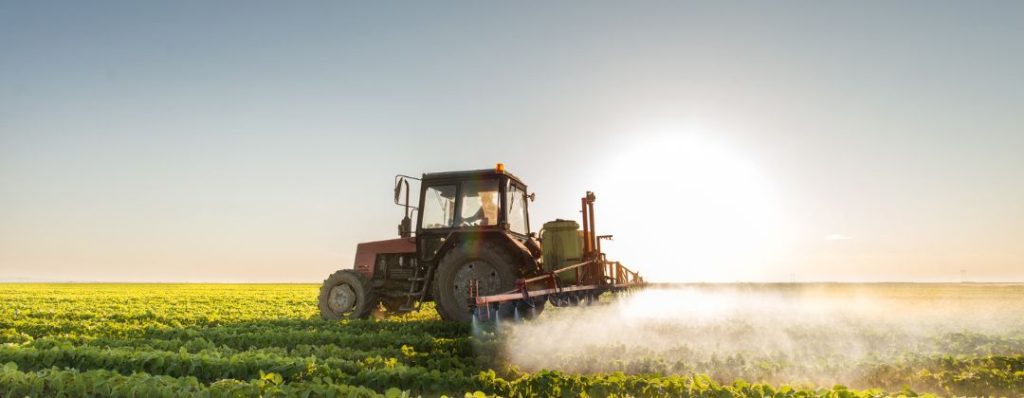
Beyond its religious and cultural significance, Vasant Panchami holds profound importance in agriculture. It marks the beginning of the spring season, a crucial period for farmers preparing for the upcoming sowing season. Ancient farming wisdom dictates that the onset of spring brings favorable conditions for sowing crops, with warmer temperatures and longer daylight hours promoting germination and growth.
Statistics:
– According to agricultural data, spring crops contribute significantly to India’s agricultural output. Wheat, barley, mustard, and pulses are among the major crops sown during this season.
– In states like Punjab, Haryana, Uttar Pradesh, and Madhya Pradesh, farmers eagerly await Vasant Panchami to commence the sowing of wheat, a staple cereal crop.
– The Indian agricultural sector employs over 50% of the country’s workforce and contributes around 15% to the GDP, highlighting the crucial role of festivals like Vasant Panchami in shaping agricultural practices.
Festive Rituals and Farming Traditions:
On Vasant Panchami, farmers engage in age-old rituals and farming traditions to invoke blessings for a fruitful harvest. Plowing fields, preparing the soil, and sowing seeds are integral parts of the festivities, symbolizing the renewal of life and abundance in nature.
Furthermore, some regions organize special puja ceremonies in fields or temples dedicated to Goddess Saraswati and other agricultural deities, seeking their divine intervention for a bountiful crop yield. Additionally, farmers exchange agricultural implements and seeds as a gesture of solidarity and cooperation, fostering community spirit and mutual support.
Vasant Panchami serves as a poignant reminder of the intrinsic connection between culture, spirituality, and agriculture in India. As we celebrate the festival with reverence and joy, let us not forget the invaluable farming wisdom passed down through generations, guiding us towards sustainable and prosperous agricultural practices. May the blessings of Goddess Saraswati and the bounty of nature continue to enrich our lives and livelihoods for generations to come.